Posted on: 28/05/2025
in
This content is located in CAPS under Internet Technologies: Internet and the WWW for Grade 11.
The Internet of Things (IoT) is a transformative concept connecting everyday devices to the internet, enabling them to communicate, collect data, and perform tasks with minimal human intervention. Teaching IoT offers exciting opportunities to engage students with real-world applications of technology. Here’s how you can bring this topic to life in the classroom.
Contextualising IoT for Grade 11 Students
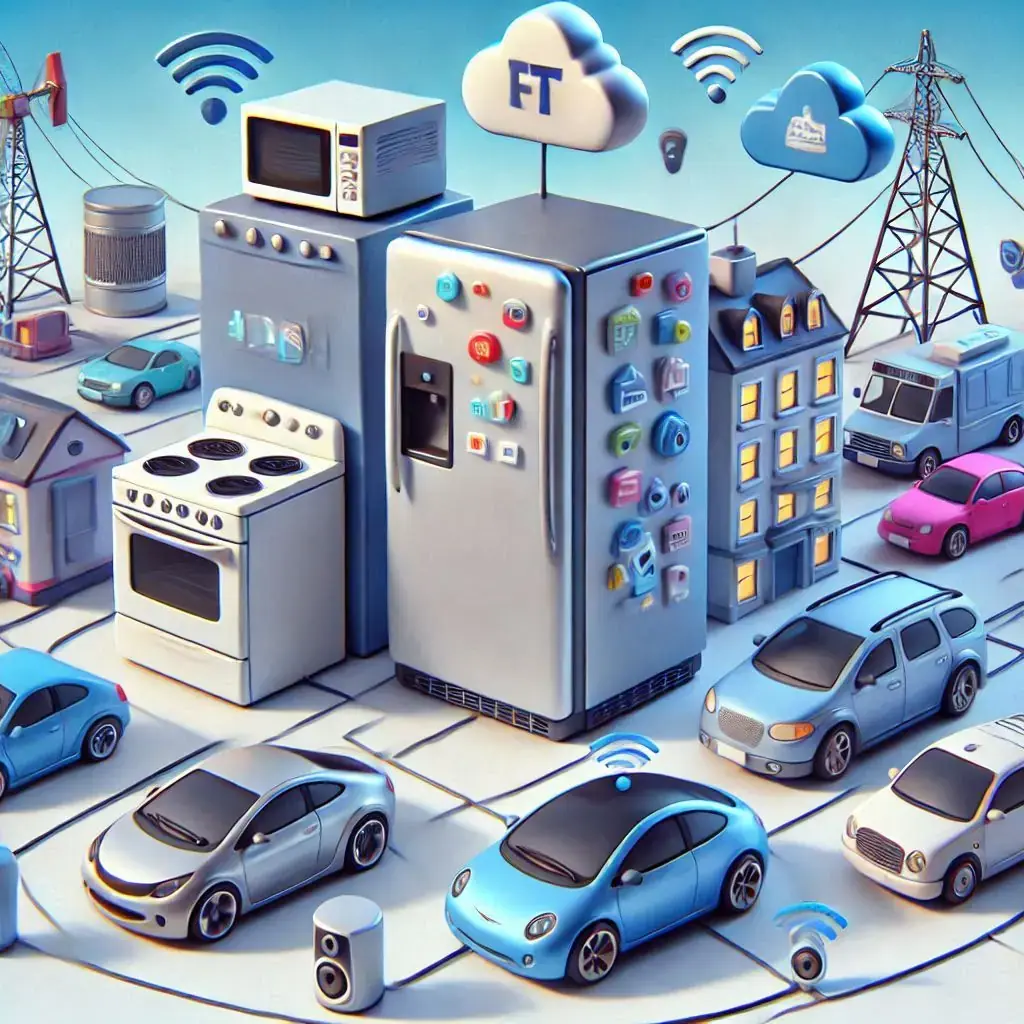
IoT connects physical objects like appliances, vehicles, and wearables to the internet using technologies like sensors and wireless networks. It forms the backbone of innovations in smart homes, healthcare, agriculture, and transportation. By introducing these examples, you make IoT relatable and relevant to their lives.
Teaching the Basic Concepts of IoT
- Understanding IoT: Use relatable analogies like smart home devices (e.g., smart speakers or thermostats) to explain how IoT devices work.
- Classroom Activity: Create an interactive discussion where students identify IoT devices they might already use (like fitness trackers or smart TVs).
- Purpose of IoT: Explain the role of IoT in improving efficiency and convenience in daily life.
- Practical Example: Discuss how traffic monitoring systems collect real-time data to reduce congestion in cities.
Exploring Technologies Enabling IoT
- Sensors and Actuators: Demonstrate their role in gathering and responding to data.
- Activity: Use a basic sensor kit (or simulate using videos) to show how sensors like temperature or motion detectors work.
- Connectivity: Teach about Wi-Fi, Bluetooth, and cellular networks as the mediums through which IoT devices communicate.
- Analogy: Compare this to humans using cell phones to stay connected.
- Data Processing and Storage: Highlight the use of cloud computing and data analytics in IoT systems.
- Group Activity: Assign students to explore cloud services like Google Drive to understand the concept of remote storage.
- Big Data and AI: Discuss how these technologies analyse large volumes of data collected by IoT devices to make intelligent decisions.
- Example: AI-powered voice assistants responding to user commands.
Demonstrating IoT’s Impact on Society
- Positive Impacts:
- Smart cities improving urban living.
- Healthcare innovations like wearable health monitors.
- Increased agricultural efficiency through precision farming.
Activity Idea: Students can research and present a case study on an IoT application in a specific industry.
- Challenges:
- Privacy concerns and data security risks.
- The potential for job displacement due to automation.
Discussion Prompt: Divide the class into groups to debate the ethical implications of IoT, focusing on privacy and societal impact.
Making IoT Concepts Hands-On
For under-resourced schools, leverage creative solutions:
- Use free online resources like IoT simulators to mimic real-world applications.
- Create DIY prototypes using household items to simulate IoT scenarios. For example, use toy cars to demonstrate how connected vehicles might avoid accidents.
Encouraging Critical Thinking
- Ask students to brainstorm IoT solutions for challenges in their community, such as waste management or water conservation.
- Teach them to critically evaluate IoT systems by questioning the necessity and security of specific applications.
By relating IoT concepts to tangible examples and encouraging interactive exploration, you help students grasp its significance and spark curiosity about its potential.