Posted on: 07/03/2025
in
This content is located in CAPS under Network Technologies: Networks for Grade 12.
Near Field Communication (NFC) is a fascinating and practical technology to teach. It brings theoretical concepts to life by connecting learners to the real-world applications they see in everyday transactions, transport systems, and even their mobile phones. In this post, I’ll share strategies to make teaching NFC engaging and relatable for your Grade 12 students.
Start by introducing NFC as a wireless communication standard that allows devices to exchange data over very short distances. Highlight that it’s often used for contactless payments, mobile ticketing, data sharing, and pairing devices. Show them an example using your smartphone or a contactless payment card.
Ideas for Teaching NFC in the Classroom
1. Interactive Demonstration with NFC-Enabled Devices Bring NFC-enabled devices like smartphones or NFC tags into the classroom. Use these to demonstrate how data is shared when the devices are placed close together. For instance:
- Have students tap an NFC tag with a phone to display a stored URL or message.
- Show contactless payment examples (using a demo setup) to explain how security features like encryption protect transactions.
2. Connecting NFC to Everyday Life Discuss the use of NFC in:
- Public transport systems like buses or trains that use NFC-enabled cards or apps.
- Access control systems in offices, hotels, and gyms.
- Pairing Bluetooth devices such as headphones or speakers.
To make this even more engaging, task students with identifying other instances where they’ve encountered NFC in their daily lives.
3. Build a Hands-On Activity If resources allow, provide inexpensive NFC stickers or tags. Challenge students to:
- Program these tags using free NFC-writing apps. For example, they could program a tag to launch a website, send a text, or toggle Wi-Fi.
- Create a mini project around using NFC for a practical purpose, such as setting up smart home automation with tags.
4. Discuss Security Implications Use NFC’s relevance to discuss security concepts like encryption and authentication. Ask students to research questions like:
- How does NFC prevent unauthorised access during a transaction?
- What are the limitations and risks of NFC compared to other wireless technologies?
This can evolve into a group discussion or presentation activity to encourage collaboration.
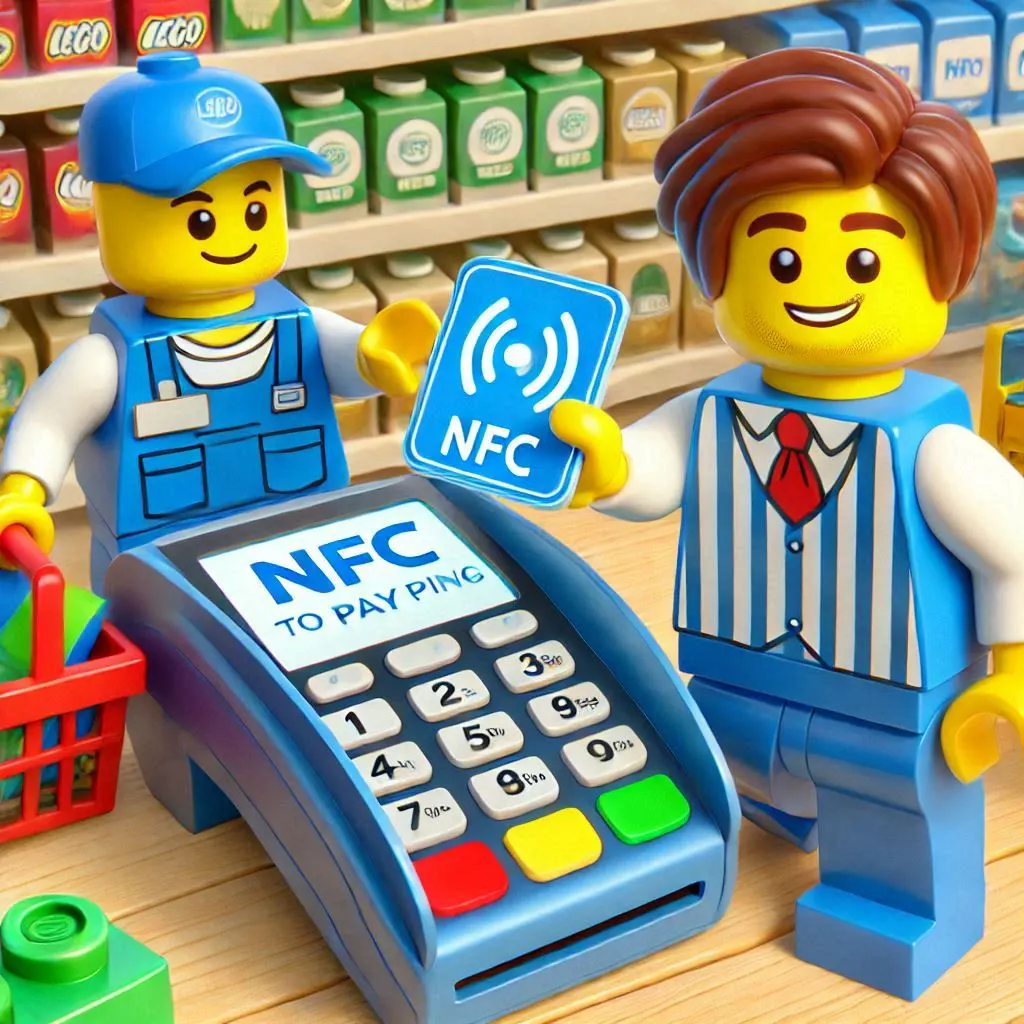
5. Simulated Real-Life Scenarios Create a mock setup for a contactless payment system in class. Assign roles like cashier, customer, and bank system operator to simulate an NFC transaction. Explain the role of each party, highlighting concepts like tokenisation and data encryption.
6. Compare NFC with Other Technologies Encourage critical thinking by comparing NFC with Bluetooth and QR codes. Discuss scenarios where each technology is better suited and why, referencing speed, security, and convenience.
7. Explore Careers and Future Applications Talk about how NFC fits into the broader world of IoT (Internet of Things) and its potential in fields like healthcare (patient monitoring) or retail (personalised shopping). This can help students see how the technology impacts various industries.
Classroom-Friendly Resources
- Use free apps like NFC Tools or NFC TagWriter for demonstrations.
- If NFC-enabled devices are unavailable, use videos from platforms like YouTube to demonstrate its applications.
By relating NFC to real-world applications and incorporating practical demonstrations, students are more likely to grasp its importance and functionality. Encourage curiosity by letting them explore how NFC is shaping our world.