Posted on: 04/08/2025
in
This content is located in CAPS under Network Technologies: Networks for Grade 10.
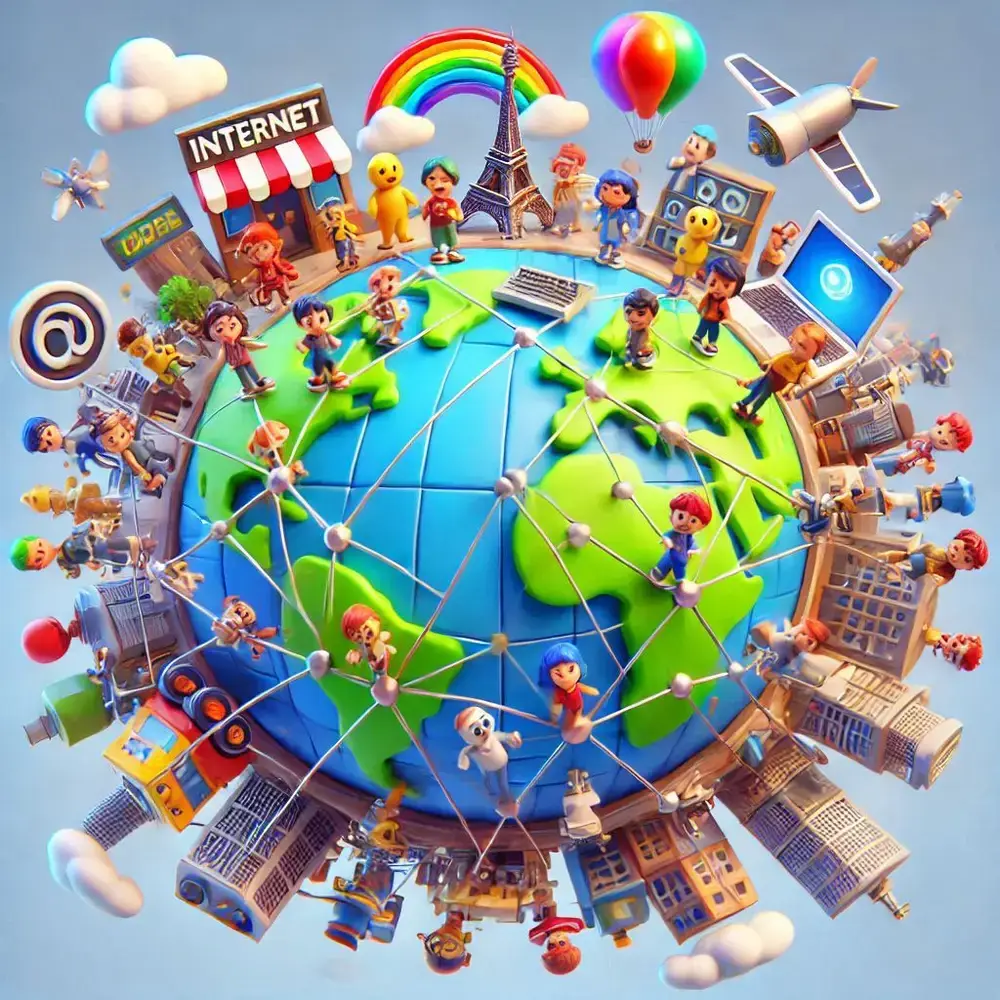
Understanding the internet as an example of a Global Area Network (GAN) helps students see how devices across the world are interconnected. The internet forms the backbone of modern communication and information-sharing, making it essential for learners to grasp its advantages, disadvantages, and limitations.
Introducing GAN and the Internet
Start by defining Global Area Network (GAN):
- A GAN connects networks spread across multiple regions or countries, forming a vast web of interconnected systems.
- The internet is the largest and most commonly used example of a GAN.
Explain how the internet works as a GAN:
- It connects smaller networks (e.g., LANs, WANs) using protocols like TCP/IP to allow communication between billions of devices worldwide.
Interactive Question: Ask students how they think their smartphones connect to websites hosted in other countries. Use their answers to introduce the concept of a GAN.
Features of the Internet as a GAN
To clarify the concept, highlight key features of the internet as a GAN:
- Global Connectivity: Allows communication and data sharing across the globe.
- Massive Scale: Comprises billions of devices, servers, and smaller networks.
- Versatility: Supports a wide range of activities like browsing, streaming, online gaming, and communication.
- Reliance on Infrastructure: Uses satellites, undersea cables, data centres, and ISPs to function.
Advantages of the Internet as a GAN
The internet offers significant benefits that have revolutionised communication, education, and commerce.
- Global Access to Information:
- Provides vast resources for research, entertainment, and education.
- Example: Students can access online tutorials and e-books.
- Facilitates Communication:
- Enables instant communication via email, video calls, and social media platforms.
- Example: Families staying in touch across continents through apps like WhatsApp.
- E-commerce Opportunities:
- Businesses can reach global markets and consumers can shop from anywhere.
- Example: Buying products from international online stores like Amazon.
- Collaboration and Productivity:
- Tools like Google Docs or Zoom enable teamwork across locations.
- Example: Remote work during the pandemic became possible through the internet.
- Entertainment and Social Interaction:
- Access to online games, streaming services, and virtual communities.
- Example: Streaming Netflix or participating in online forums.
Disadvantages of the Internet as a GAN
While powerful, the internet has its drawbacks.
- Security Risks:
- Vulnerable to cyberattacks like hacking, phishing, and malware.
- Example: Personal data theft during online transactions.
- Digital Divide:
- Not everyone has equal access to internet services, especially in underprivileged areas.
- Example: Rural communities may lack reliable connectivity.
- Over-reliance:
- Dependency on the internet can disrupt lives during outages.
- Example: Businesses halting operations due to server crashes.
- Misinformation:
- Spread of fake news and unreliable sources.
- Example: Viral social media posts containing false information.
- Privacy Concerns:
- Sharing personal information online can lead to misuse.
- Example: Data breaches on social media platforms.
Limitations of the Internet as a GAN
Discuss the technical and social limitations of the internet.
- Infrastructure Costs:
- Setting up and maintaining satellites, undersea cables, and servers is expensive.
- Bandwidth Limitations:
- Internet speed and quality vary based on location and service providers.
- Network Congestion:
- Heavy usage can cause slow speeds, especially during peak hours.
- Environmental Impact:
- High energy consumption by data centres contributes to environmental concerns.
Engaging Activities for the Classroom
Make the lesson interactive and relatable with these ideas:
1. Internet Map Activity:
- Show students a visual representation of undersea internet cables and global data centres.
- Discuss how these physical infrastructures connect countries and continents.
2. Debate: Pros and Cons of the Internet:
- Split the class into two groups: one highlighting the advantages and the other the disadvantages.
- Encourage students to use real-world examples in their arguments.
3. Real-Life Scenarios:
- Assign scenarios like “accessing online classes during a pandemic” or “cybersecurity risks in online banking.” Ask students to identify advantages, disadvantages, and limitations in each scenario.
4. Quiz Game:
- Create questions related to the internet as a GAN, its features, and its impact. For example:
- “What physical infrastructure connects continents to the internet?”
- “Name one advantage and one disadvantage of the internet.”
Conclude the lesson by having students reflect on how the internet impacts their daily lives and discuss what they think the future of GANs might look like. Introduce emerging technologies like satellite internet (e.g., Starlink) and their potential to bridge the digital divide.