
Teaching ‘Overview of portable and mobile internet access’ for Grade 11

This content is located in CAPS under Internet Technologies: Internet and the WWW for Grade 11.

Exploring portable and mobile internet access is a gateway to understanding the interconnected technologies that enable communication and access to the internet, anytime and anywhere. By diving into topics such as cellular data services, WiFi hotspots, WiMAX, and Bluetooth, learners can appreciate the everyday tools that make connectivity possible. These concepts provide a practical lens through which students can engage with the fundamentals of internet technologies.

Start with an engaging classroom scenario: Ask learners to imagine a day without mobile internet access and how it would affect their daily routines, from streaming music to completing online assignments. This scenario sets the stage for understanding the significance of portable internet technologies.

Cellular Data Service – Cell Phone as a Modem

Explain how a smartphone can act as a modem to connect devices like laptops to the internet. A hands-on activity could involve students identifying where to enable hotspot settings on their own phones. Those without smartphones can pair with peers to see the process in action. Emphasise data consumption by comparing data bundles and discussing factors like speed and cost.

Interactive Idea: Set up a mock scenario where students “sell” their data bundles. Each learner pretends to be an Internet Service Provider (ISP), creating data packages with unique prices and advantages. Others can “buy” based on their needs, providing a fun way to engage with real-world pricing and limitations.

WiFi Hotspots (Personal and Public)

Use a video or image presentation to showcase public WiFi hotspots in locations such as malls, airports, and libraries. Discuss the importance of WiFi passwords for security and contrast it with open, unsecured networks. Let learners brainstorm examples of both personal and public WiFi hotspots.

Practical Activity: Create a map of the school or local area, marking potential WiFi hotspot locations. For personal hotspots, learners can design “Hotspot Sharing Etiquette” posters to encourage responsible usage.

WiMAX

Introduce WiMAX as a lesser-known but vital technology for broadband wireless access, particularly in areas lacking traditional infrastructure. Highlight its use in bridging the digital divide in rural areas. Use maps to pinpoint areas in South Africa where WiMAX has been implemented, linking this to local context and infrastructure development.

Creative Task: Have learners design advertisements for WiMAX targeting rural communities. They should highlight the benefits and challenges of adopting this technology.

Bluetooth

Bluetooth is a versatile, low-power option for connecting devices. Discuss its everyday applications, such as sharing files or connecting to wireless headphones. A fun activity could involve a “Bluetooth Pairing Race,” where students pair devices (e.g., keyboards to tablets) within a set time.

Extension: Conduct a class debate on whether Bluetooth or WiFi is more effective for specific scenarios, such as transferring a single file versus connecting multiple devices.

Bridging the Concepts

To tie these technologies together, let learners simulate a day of internet connectivity using only one technology at a time. What would they miss out on? What would be easier or harder? Such reflective activities allow them to evaluate the strengths and weaknesses of each option in real-world terms.

By the end of these lessons, learners will not only understand the technical aspects of portable and mobile internet access but also appreciate their impact on daily life. Encourage learners to share their personal experiences or creative ideas for improving connectivity technologies.

How do you approach teaching this topic? Leave your ideas or comments below.

CATastrophe! Student version
[siteorigin_widget class=”SiteOrigin_Widget_Hero_Widget”][/siteorigin_widget]
[siteorigin_widget class=”SiteOrigin_Widget_Image_Widget”][/siteorigin_widget]

A bit about the game

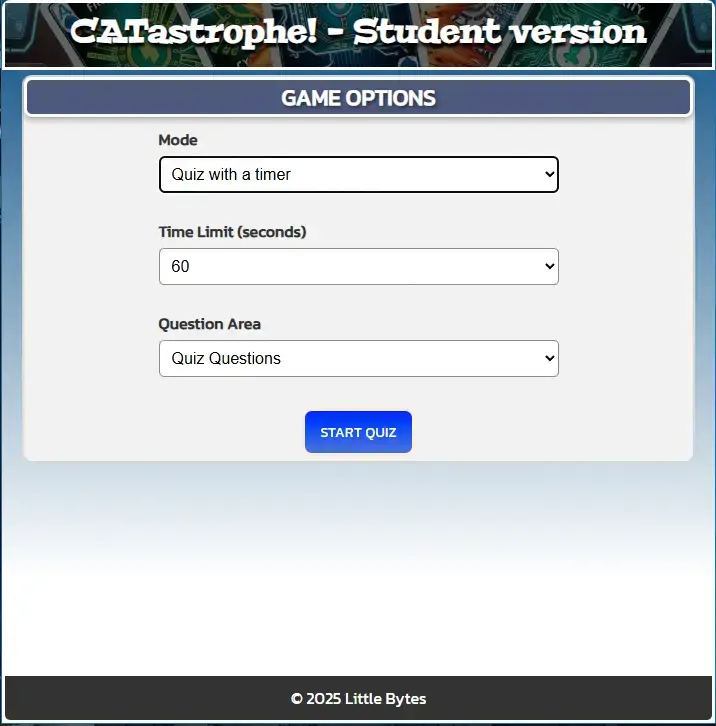
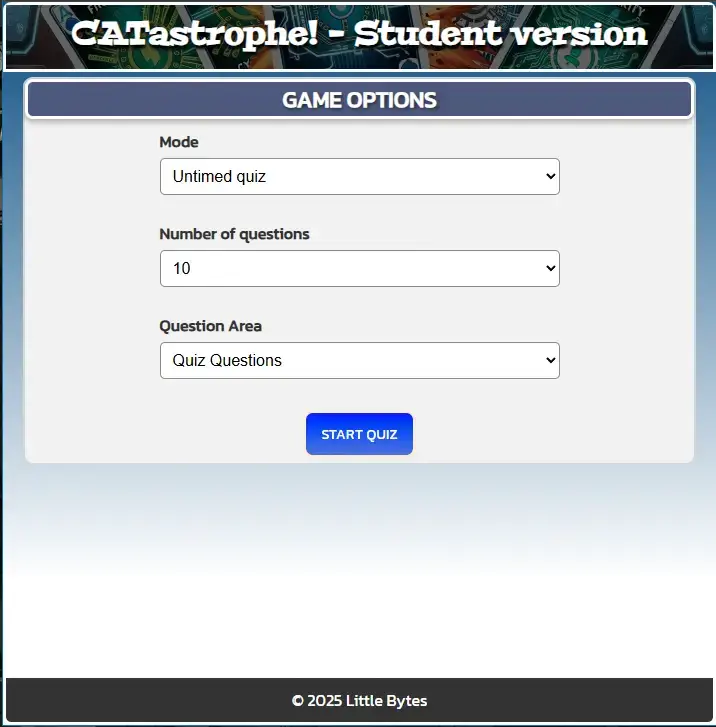
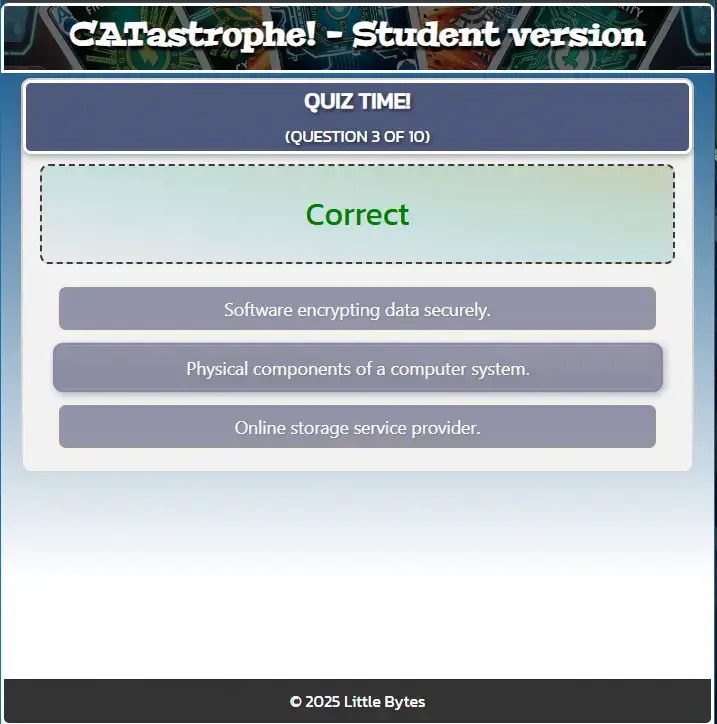
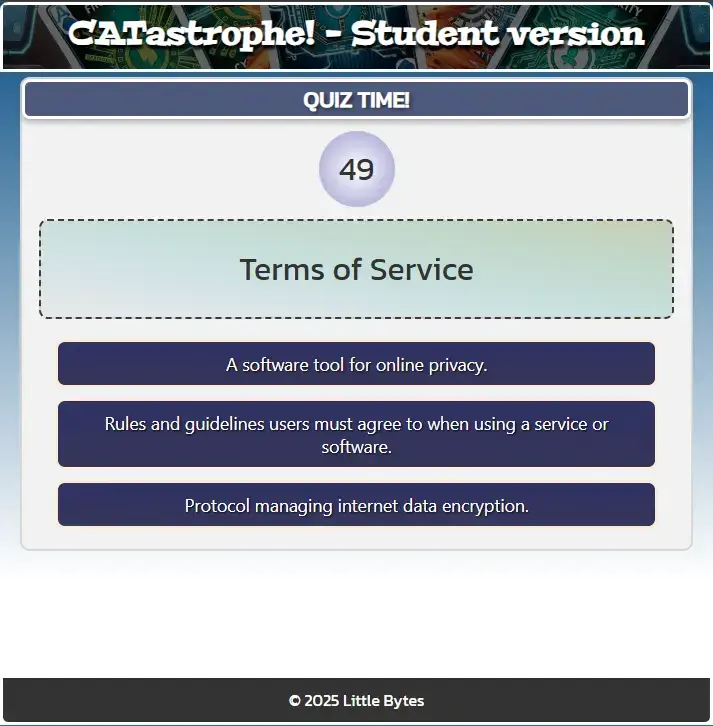
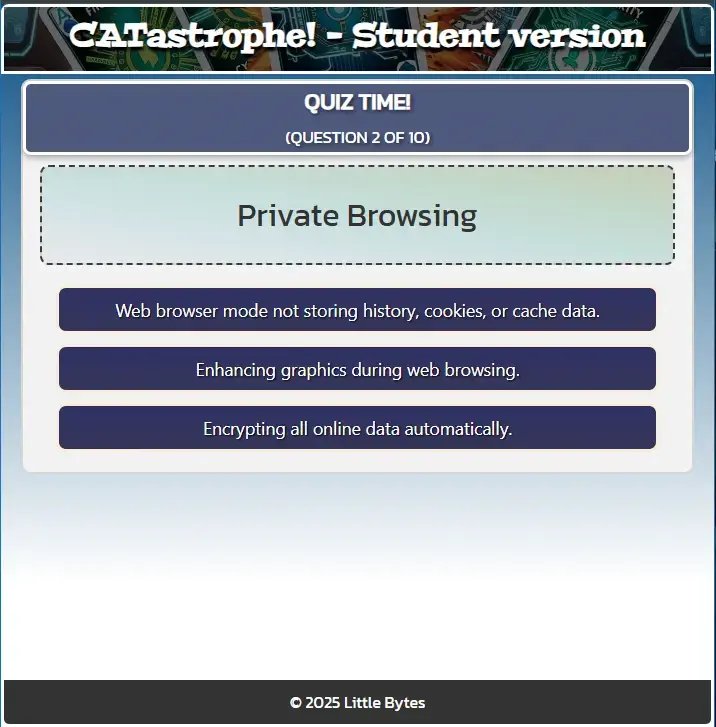
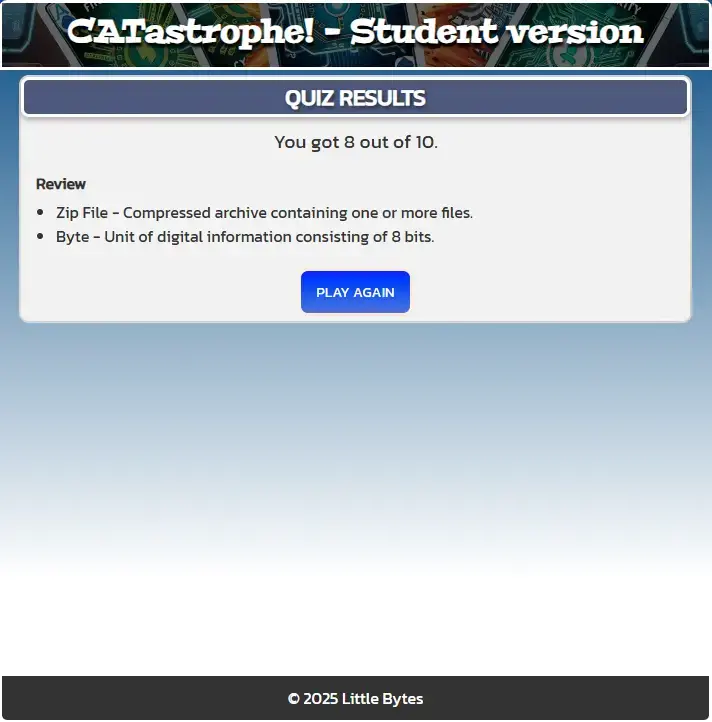
The Quiz game for Computer Applications Technology students. Test your knowledge of CAT theory and concepts in this easy to use game.

Features

  • Test your knowledge on CAT terms and phrases.
  • Random multiple choice.
  • Timers and Points.
  • Select from two modes of play.
  • Select specific learning areas from the CAT curriculum.

Screenshots

Get the game

[siteorigin_widget class=”SiteOrigin_Widget_Button_Widget”][/siteorigin_widget]
“MAKE THE INTERNET ACCESSIBLE AGAIN!” – A Rally Speech on the Digital Divide

Prompt: Teach me about the digital divide, in the form a political rally speech given by Donald Trump.

🎺 Cue brass band. Spotlight on stage. American flag-themed confetti falling. The crowd roars as he takes the mic…

“Ladies and gentlemen, folks… we’re gonna talk about something YUGE today. I mean REALLY BIG. It’s called the Digital Divide — and believe me, nobody’s talking about it more than me. Nobody knows it better than me.”

“Now picture this. On one side, you’ve got little Johnny in the city, he’s got Wi-Fi faster than a cheetah on an energy drink, iPads in school, Zoom classes, 5G, the whole tech buffet. And on the other side? Billy from a small town—no internet, no devices, he’s still using a flip phone, folks. FLIP PHONE. SAD!” 😤📵

“This, my friends, is what we call the Digital Divide. It’s the wall — the firewall! — between the haves and the have-nots of the internet age. And guess what? We’re gonna break that wall DOWN. We’re gonna give broadband to the people. Bigly!” 💥📡

“Because when people don’t have access to technology — they can’t learn. They can’t work. They can’t even tweet their outrage, folks! And what kind of freedom is that?!”

“So we’re gonna make it fair. We’re gonna make it fast. And we’re gonna make sure that every child — EVERY SINGLE CHILD — gets access to the internet, the devices, the digital tools they need to be GREAT again!” 🧠💻

“We’ll bring fibre to the farms, laptops to the learners, tablets to the towns, and cloud power to the people! This isn’t just about tech, it’s about TRUTH, FREEDOM, and OPPORTUNITY.”

“And I promise you, we will not stop… until the entire nation is CONNECTED. From Wi-Fi to WHY-NOT!” 📶🚀

“Thank you! God bless you, and God bless the World Wide Web!”

Teaching ‘Basic use of the Internet, e-mail and social platforms’ for Grade 10

This content is located in CAPS under Internet Technologies: Communication for Grade 10.

When teaching “Basic use of the internet, e-mail and social platforms” to Grade 10 students, the goal is to equip them with essential skills for navigating, communicating, and using these tools responsibly. This topic provides an excellent opportunity to integrate real-world scenarios to make the learning engaging and practical.

Start by contextualising the topic with relatable examples, such as using e-mail to communicate with teachers, researching online for school projects, or engaging on social media platforms like WhatsApp and Instagram. Highlight the importance of netiquette, responsible online behaviour, and the advantages of these technologies in day-to-day life.

Engaging Practical Ideas for the Classroom

  1. E-mail Basics and Netiquette
    • Activity: Simulate a classroom e-mail communication exercise. Create a scenario where students must e-mail their teacher (you!) to ask for help on a fictional assignment. Teach them how to compose a polite e-mail using proper subject lines, salutations, and body text. Discuss features like CC, BCC, and attachments.
    • Bloom’s Taxonomy Level: Apply – Students use their knowledge of e-mail composition to create professional e-mails.
    • Extension Idea: Provide examples of poor e-mail etiquette and ask students to critique and improve them.
  2. Web Browsing Skills
    • Activity: Introduce the features of web browsers like bookmarks, history, and tabs. Ask students to research a simple topic online, such as “The history of social media platforms,” and bookmark useful pages.
    • Bloom’s Taxonomy Level: Understand – Students identify features of web browsers and explain their use.
    • Interactive Task: Discuss URL components (like domain names) and introduce URL shorteners. Create a class link-sharing activity.
  3. Social Platforms and Responsible Use
    • Activity: Role-play a “Digital Footprint Detective” exercise. Provide a fictional character’s social media profile (you can create this as a slideshow) and ask students to identify what their footprint says about them. Use this to discuss privacy and oversharing online.
    • Bloom’s Taxonomy Level: Analyse – Students evaluate information shared online and its implications.
    • Further Learning: Highlight privacy settings on popular platforms and demonstrate their importance.
  4. Interactive Discussion on Internet Uses
    • Create groups and assign each one a task: “What are the positive uses of the internet in education, communication, and entertainment?” Each group must present their findings. Use the opportunity to discuss safe internet practices, such as avoiding phishing scams and identifying fake news.
    • Bloom’s Taxonomy Level: Evaluate – Students present arguments about the internet’s impact in various contexts.
  5. Hands-on Experience with Communication Devices
    • Bring in or simulate different devices used for e-communication: smartphones, tablets, or computers. Allow students to practice accessing e-mail accounts, composing messages, and attaching files.
    • Extension Idea: Introduce instant messaging tools and their features. Discuss their role in both personal and professional communication.
  6. Gamify Netiquette and Social Platform Use
    • Develop a “Netiquette Bingo” where students earn points for demonstrating online etiquette (e.g., responding politely to a teacher’s e-mail, flagging spam, or using constructive comments in a group chat simulation).
    • Bloom’s Taxonomy Level: Apply and Create – Students apply rules of etiquette to create a positive online communication experience.
  7. Home Connection: Internet Practical Use
    • Assign a mini-project where students interview a family member about how they use the internet or e-mail in their job or daily life. This will help students contextualise the relevance of these tools beyond the classroom.

By weaving these ideas into your lessons, students not only learn the technical aspects of internet communication but also develop critical thinking and responsible digital citizenship.

Encourage students to share their personal experiences with using these tools, fostering an interactive and relatable learning environment.

CATastrophe! Updated.
[siteorigin_widget class=”SiteOrigin_Widget_Hero_Widget”][/siteorigin_widget]
[siteorigin_widget class=”SiteOrigin_Widget_Image_Widget”][/siteorigin_widget]

A bit about the game

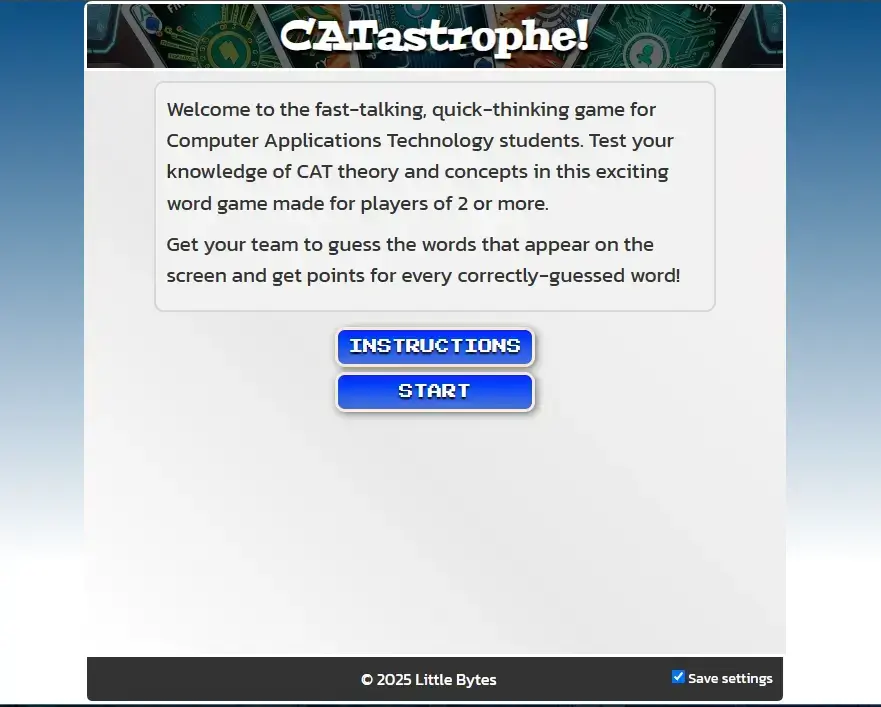
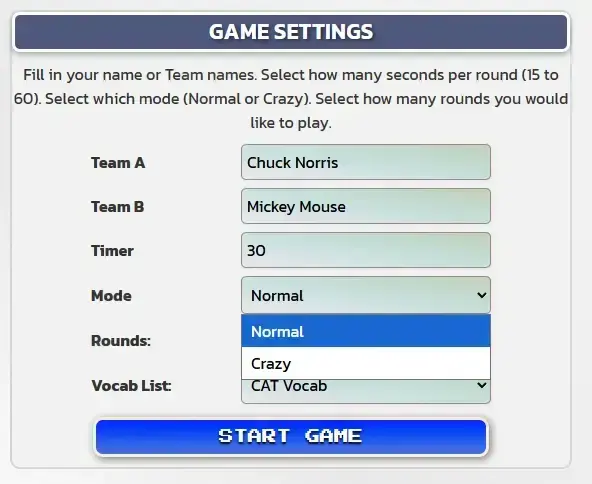
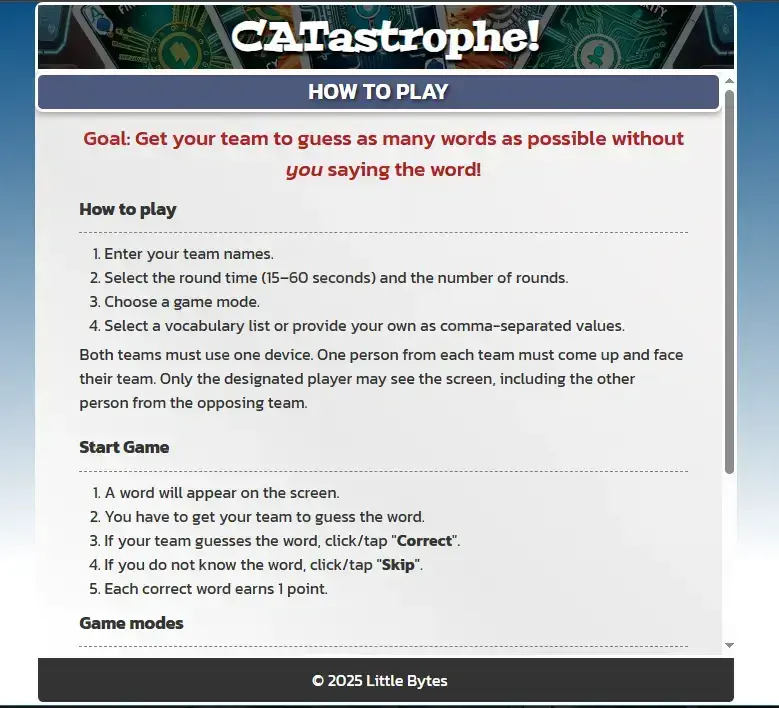
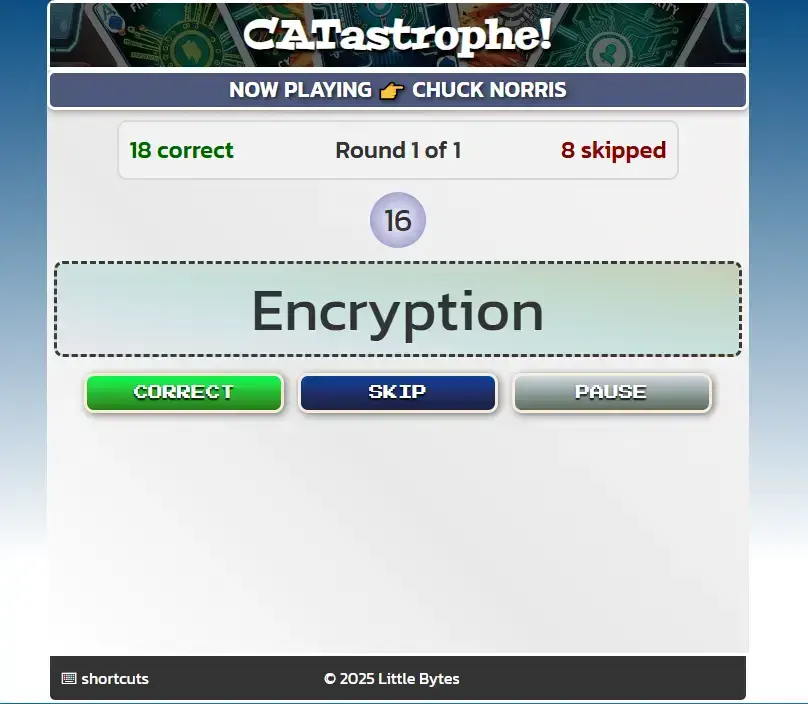
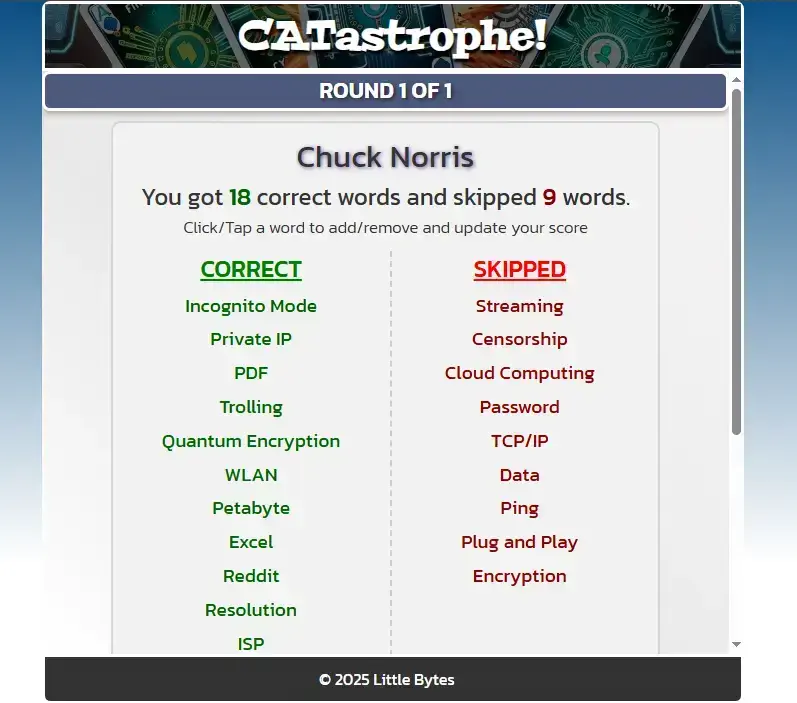
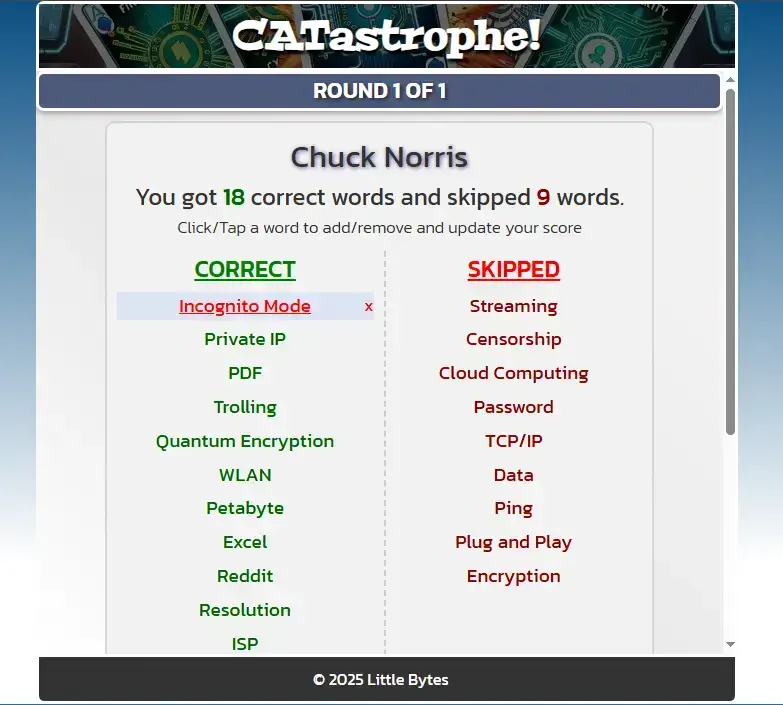
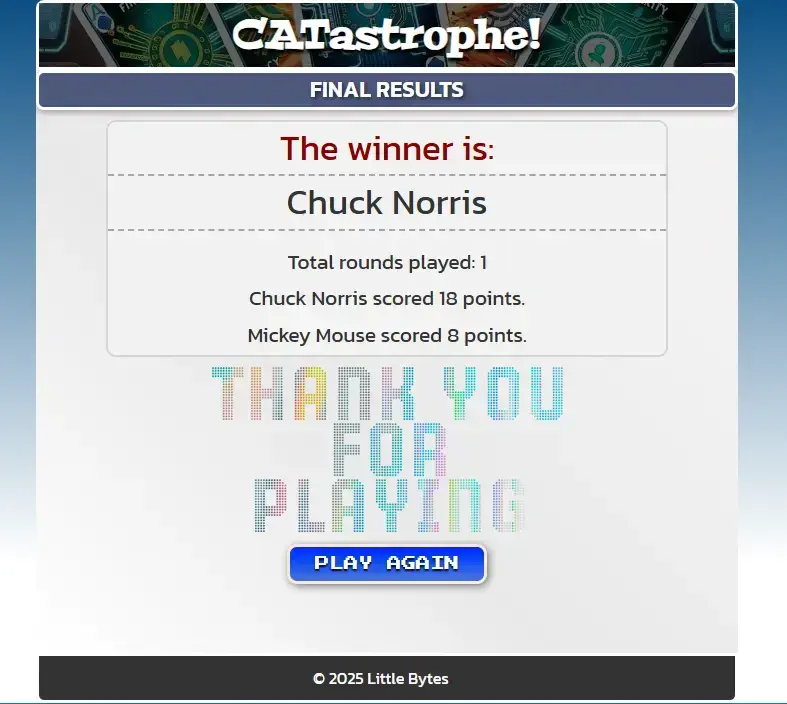
The fast-talking, quick-thinking game for Computer Applications Technology students. Test your knowledge of CAT theory and concepts in this exciting word game made for players of 2 or more.

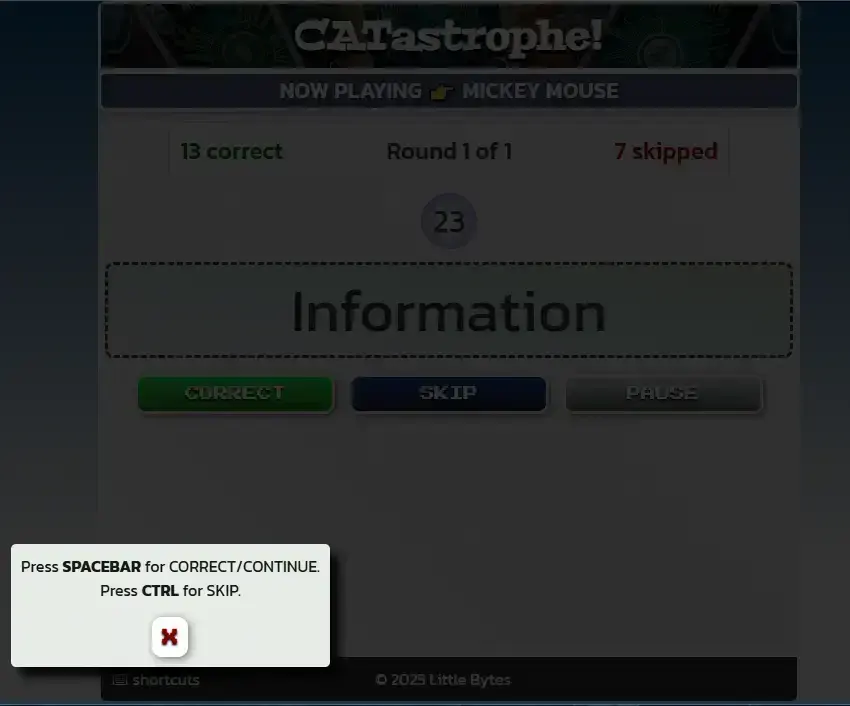
Get your team to guess the words that appear on the screen and get points for every correctly-guessed word!

Features

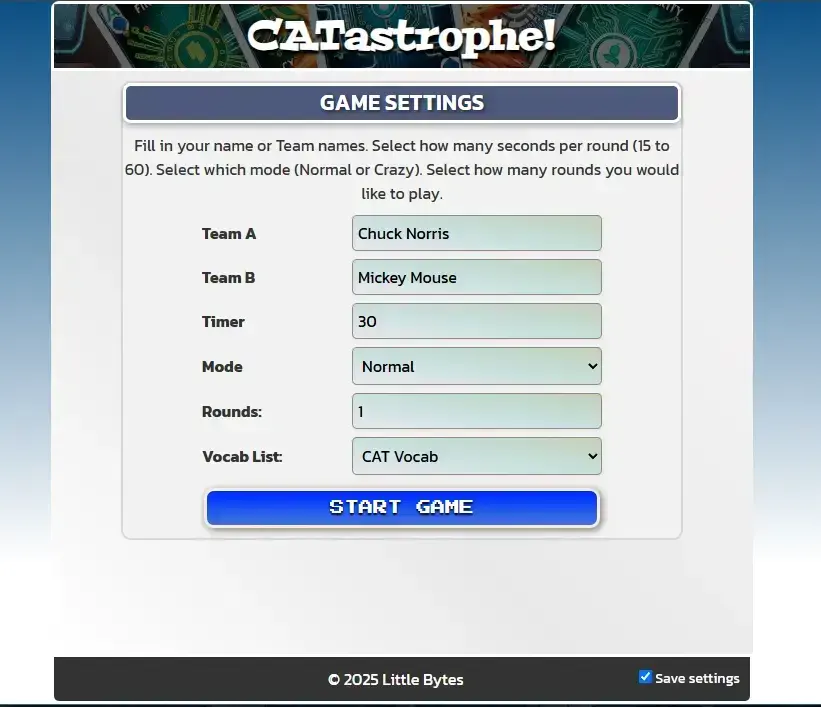
  • Two teams
  • Customisable timer
  • Two modes of play (Normal, Crazy)
  • Multiple rounds available
  • Default Computer Applications Technology list available
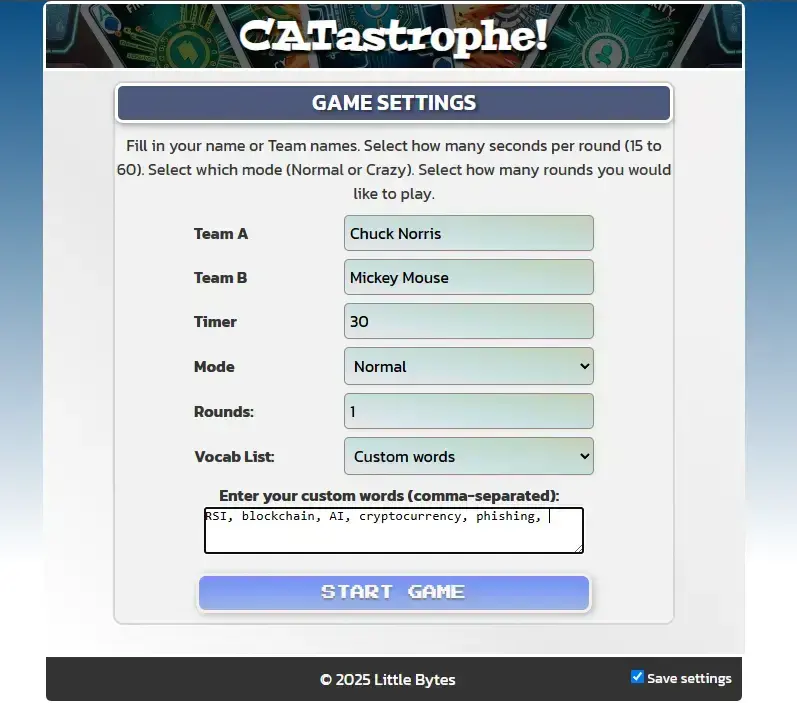
  • Custom word list feature

Screenshots

Get the game

[siteorigin_widget class=”SiteOrigin_Widget_Button_Widget”][/siteorigin_widget]
Teaching ‘Computer crimes ‘ for Grade 12
This content is located in CAPS under Social Implications: Impact on Society for Grade 12.

Exploring computer crimes with Grade 12 students opens a window into understanding real-world issues that stem from technology misuse. From theft of bandwidth to phishing scams, these concepts resonate with their everyday digital interactions and shed light on ethical technology use. This topic, while theoretical, can become highly interactive with practical scenarios.

Begin by creating a foundation for understanding the types of computer crimes:

Making the Theory Real

  1. Hardware Theft
    • Show students examples of anti-theft devices like cable locks for laptops or securing desktop hardware.
    • Role-play scenarios where students brainstorm ideas to improve hardware security in public places like internet cafés or libraries.
  2. Software Piracy
    • Use relatable analogies, such as sharing movie passwords, to explain software piracy.
    • Ask students to debate the implications of pirated software on creators and businesses, touching on ethical considerations.
  3. Information Theft
    • Set up a mock phishing email or fake website (designed safely for education) to demonstrate how information can be stolen.
    • Discuss how easily people can be manipulated into giving away personal details.
  4. Identity Theft
    • Have students identify secure practices for managing personal information online, like using multi-factor authentication.
    • Encourage storytelling where they imagine life post-identity theft and devise ways to safeguard against it.
  5. Bandwidth Theft
    • Use a shared internet connection in the class and explain how unauthorised usage slows down connectivity for others.
    • Introduce tools or methods to monitor bandwidth usage effectively.
  6. Theft of Time and Services
    • Discuss examples like employees misusing company time for personal browsing. Create scenarios to calculate lost productivity, making it mathematical and relatable.
  7. Internet-Related Fraud & Scams
    • Highlight real scams through case studies. For example, South African-specific phishing scams.
    • Organise a “Scam Detective” game where students evaluate emails or messages to identify fraudulent content.
  8. Phishing, Spoofing, and Pharming
    • Explain phishing by showcasing fraudulent emails requesting personal details. Demonstrate how spoofed websites imitate real ones and highlight pharming through DNS manipulations.
    • Students could create a checklist for identifying fake communications or websites.

Integrating Technology in Activities

  • Interactive Presentation: Use multimedia tools like PowerPoint or Google Slides to show how scammers operate, including screenshots and videos.
  • Simulations: Use cybersecurity software or websites offering simulations of phishing or pharming attacks for hands-on learning.

Promoting Critical Thinking

  • Pose ethical dilemmas like: Should companies monitor employee internet usage to prevent time theft? Why or why not?
  • Discuss laws like the POPI Act and how it ties into safeguarding data against these crimes.

Bloom’s Taxonomy in Action

  • Remembering: Students list types of computer crimes and provide basic definitions.
  • Understanding: Discuss the societal impact of each crime type.
  • Applying: Role-play scenarios to demonstrate a crime or its prevention.
  • Analysing: Compare and contrast phishing and pharming techniques.
  • Evaluating: Debate the effectiveness of existing cybersecurity laws.
  • Creating: Design a community awareness campaign on computer crimes.

Teaching computer crimes is more than delivering theoretical content. It’s an opportunity to engage students in ethical discussions and practical digital safety habits.