
Teaching ‘Make buying decisions regarding internet connection and access’ for Grade 11

This content is located in CAPS under Network Technologies: Networks for Grade 11.

Understanding internet connectivity options and their associated concepts like broadband and bandwidth is vital for making informed decisions in the digital realm. These topics provide students with the foundational knowledge to assess internet access based on cost, performance, and practical application.

To effectively teach these topics, let’s break them down into key areas with practical examples and activities:

Broadband and Bandwidth

  • Broadband: Explain as a high-speed internet connection that is always on. Use an analogy: compare it to a multi-lane highway where each lane represents data flow, allowing multiple data streams simultaneously.
  • Bandwidth: The amount of data transmitted in a given time, measured in megabits per second (Mbps). Demonstrate this with a water pipe analogy—larger pipes allow more water (data) to flow at a time.

Activity Idea: Create a classroom simulation where students act as data packets. Use different “bandwidth” lanes to show how data flow changes with narrow (slow) and wide (fast) bandwidth.

Types of Connections

  • ADSL: Uses telephone lines; slower compared to fibre. Suitable for basic internet needs.
  • Fibre: High-speed connection using light signals. Ideal for streaming and gaming.
  • Wireless: Includes cellular data (LTE/5G), hotspots, and satellite internet. Emphasise mobility and coverage limitations.

Activity Idea: Ask students to research the types of connections available in their area, their costs, and speeds. Have them present their findings with recommendations for specific user needs (e.g., gaming, online learning).

Router and Modem

  • Router: Connects devices to the internet and enables wireless connections within a home or office.
  • Modem: Modulates and demodulates signals for internet access.
  • Integration: Many modern devices combine router and modem functionalities.

Practical Demonstration: Show the components of a router and modem. Use a diagram or an actual device to explain their functions.

Internet Service Provider (ISP)

  • Define an ISP as a company that provides internet access. Examples include Telkom, Rain, or Vodacom in South Africa.
  • Discuss ISP services such as email, hosting, and cloud storage.

Activity Idea: Have students compare ISPs in terms of packages, pricing, and additional services like free data or bundles.

Wireless Technologies and Coverage

  • Wireless Access Points (WAPs): Extend the range of wireless networks.
  • Coverage: Signal strength depends on obstacles, distance, and interference.
  • LTE/5G: Offer fast speeds, with 5G being more advanced but less widely available.

Experiment: Measure Wi-Fi signal strength in different parts of the classroom or school. Discuss factors affecting coverage and ways to improve it (e.g., positioning WAPs strategically).

Data Transmission Speed and Caps

  • Speed: Mbps determines how fast data can be sent or received.
  • CAP: The data limit imposed by ISPs. Once reached, speeds might be throttled.
  • Bundle: Prepaid data allocations for specific durations.

Classroom Discussion: Debate the advantages and disadvantages of uncapped vs capped data plans. Students can share their personal experiences.

Advantages, Disadvantages, and Limitations

  • Advantages: Reliable connections (fibre), mobility (wireless), and affordability (ADSL in certain cases).
  • Disadvantages: Coverage issues (wireless), high costs (fibre in rural areas), and slower speeds (ADSL).
  • Limitations: Considerations like fair use policies, throttling, and shaping.

Case Study: Present scenarios (e.g., a student needing a connection for online classes or a family requiring internet for streaming). Ask students to recommend the most suitable option with justifications.

By incorporating analogies, hands-on activities, and relatable scenarios, you can make these technical concepts engaging and applicable. Understanding these elements empowers students to navigate the digital landscape effectively.

Teaching ‘Recognising and acknowledging the ownership of electronic material’ for Grade 10

This content is located in CAPS under Social Implications: Legal and Ethical Issues for Grade 10.

Understanding how to recognise and acknowledge the ownership of electronic material is a vital skill for Grade 10 learners in an increasingly digital environment. This topic encourages respect for intellectual property and teaches students to be mindful of copyright laws and ethical practices when using content online.

One way to introduce this topic is to connect it to students’ daily experiences. For example, you can ask them if they’ve ever downloaded music, shared videos, or used images from the internet. Use these relatable scenarios to spark a discussion about ownership and the importance of giving credit to creators.

For practical engagement, consider these classroom activities:

  1. Copyright Case Studies: Prepare case studies involving common copyright scenarios. For example, a student copying and pasting an image from the internet into a school project without proper attribution. Have the class discuss the ethical and legal issues in each case and brainstorm ways to handle these situations responsibly. This promotes critical thinking and active learning (applying revised Bloom’s taxonomy – analysing).
  2. Creative Commons Exploration: Introduce students to the Creative Commons website and explain how it provides free-to-use content with proper attribution. Allow them to search for images or music for a hypothetical project. This gives them hands-on experience in finding and using legal resources while learning to respect copyright laws.
  3. Acknowledgement Activity: Divide the class into groups and assign each a topic for a research project. Instruct them to include at least three references in their presentation, properly acknowledging the creators of any materials they use. This task enforces skills in citation and recognition (revised Bloom’s taxonomy – creating).
  4. Digital Footprint Discussion: Link the topic of ownership to the students’ own creations. Discuss how they would feel if their content, such as a drawing or a photo they posted online, was used without their permission. This encourages empathy and helps them understand why respecting others’ ownership is crucial.
  5. Poster Creation: Ask students to create a poster or infographic explaining why it is important to acknowledge the ownership of digital materials. They can design this using free online tools like Canva. This not only reinforces the concept but also introduces them to practical applications of software.
  6. Mock Trial: Conduct a mock trial where one team argues for the strict enforcement of copyright laws, and the other argues for a more lenient approach. This activity engages learners in understanding both the creators’ and users’ perspectives (evaluating, revised Bloom’s taxonomy).

To adapt for under-resourced schools:

  • Use printed handouts instead of online tools.
  • Highlight free resources, like public domain content or Creative Commons materials.
  • Encourage handwritten presentations and posters to avoid reliance on technology.

By using these methods, you’ll not only teach students about legal and ethical considerations but also equip them with practical skills for recognising and respecting ownership in both academic and personal contexts.

Share your thoughts or additional teaching ideas below!

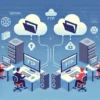
Teaching ‘File sharing’ for Grade 11

This content is located in CAPS under Network Technologies: Networks for Grade 11.

File sharing is a significant topic in understanding how networks operate, offering insights into collaboration, data transfer, and the underlying technologies that support these functions. By making this concept interactive and accessible, you can inspire Grade 11 students to connect theoretical knowledge with real-world applications.

Contextualising File Sharing

File sharing allows users to transfer files like documents, images, and videos across a network, whether via direct peer-to-peer (P2P) connections, cloud-based platforms, or shared drives. Students encounter these technologies in their daily lives, such as through Google Drive or media sharing services.

Here are practical ways to bring this topic alive in the classroom:

Interactive Demonstration: Peer-to-Peer File Sharing

  • Setup: Use laptops or desktops connected to the same LAN (Local Area Network). Install a P2P sharing application like ShareDrop or simulate P2P using shared folders.
  • Activity: Assign students to transfer small files (e.g., text or image files) between devices.
  • Purpose: Highlight how P2P eliminates the need for central servers, making the sharing process direct.
  • Discussion Points: Discuss the advantages (speed, simplicity) and challenges (security, copyright issues) of P2P sharing.

Cloud Platforms in Action

  • Tools Needed: Free accounts on platforms like Google Drive, OneDrive, or Dropbox.
  • Activity: Create a shared folder where students upload files related to a group project. Assign roles: one student uploads, another downloads, and others collaborate in real time.
  • Purpose: Teach the significance of cloud storage for accessibility, version control, and remote collaboration.
  • Discussion Points: Compare cloud sharing with traditional methods, focusing on advantages like accessibility and disadvantages like dependency on the internet.

Exploring File Transfer Protocol (FTP)

  • Setup: Use an FTP client such as FileZilla to demonstrate file transfer to and from an FTP server. Pre-configure the server with demo files.
  • Activity: Guide students in uploading and downloading files via FTP.
  • Purpose: Explain how FTP is used in professional environments for bulk data transfers.
  • Discussion Points: Highlight security measures like encrypted protocols (e.g., SFTP) and contrast FTP with modern file-sharing solutions.

Real-Life Scenario: Data Sharing Ethics

  • Scenario Roleplay: Present a situation where someone shares copyrighted music or sensitive information. Let groups discuss the legal, ethical, and security implications.
  • Purpose: Foster critical thinking about safe and responsible sharing practices.
  • Discussion Points: Discuss the role of permissions, intellectual property laws, and consequences of sharing harmful content.

Practical Security Awareness

  • Setup: Provide a list of secure file-sharing practices, including the use of encryption, strong passwords, and secure links.
  • Activity: Challenge students to identify potential security risks in hypothetical file-sharing setups and suggest mitigation strategies.
  • Purpose: Raise awareness about file-sharing vulnerabilities, such as eavesdropping or malware distribution.
  • Discussion Points: Explore encryption technologies and why security is a critical consideration.

Incorporating Bloom’s Taxonomy

  • Remembering: Define key terms like “file sharing,” “P2P networks,” and “FTP.”
  • Understanding: Illustrate the workflow of file-sharing mechanisms.
  • Applying: Use file-sharing tools to complete group activities.
  • Analyzing: Compare and contrast different methods (e.g., FTP vs cloud sharing).
  • Evaluating: Debate the merits and drawbacks of various platforms.
  • Creating: Design a secure file-sharing protocol for a fictional organisation.

End your session by inviting students to reflect on their personal experiences with file sharing. They can discuss how this knowledge can be applied safely in their future careers or academic projects.

Teaching ‘Software piracy, licensing, copyright and intellectual property’ for Grade 10

This content is located in CAPS under Social Implications: Legal and Ethical Issues for Grade 10.

Teaching the concepts of software piracy, licensing, copyright, and intellectual property can be a dynamic and thought-provoking topic for Grade 10 learners. These issues, though legal and ethical in nature, are highly relevant to their daily lives, especially with the ubiquitous use of technology in schoolwork and entertainment. Here’s how you can make this topic engaging and practical in the classroom:

Connecting with Students’ Reality

Start by asking students about their favourite apps, games, or music. Then pose questions such as:

  • “Do you think it’s fair for someone to copy a song or game without paying for it?”
  • “Have you ever seen a message about licensing or copyright while installing software? What did it mean?”

This can spark an initial discussion on fairness, ownership, and why laws protect software and other intellectual property.

Bringing the Concepts to Life

1. What is Software Piracy? Explain software piracy as the illegal copying, distribution, or use of software. Use real-life examples:

  • Scenario-based learning: Present a situation like “Jane borrows her friend’s Microsoft Office license key to install it on her computer. Is this legal? Why or why not?”
  • Localised discussion: Highlight the risks, such as viruses or malware, often associated with pirated software. Share examples of high-profile cases or data breaches caused by unlicensed software.

2. Exploring Licensing Models Demonstrate the different types of software licenses using practical examples:

  • Proprietary Software: Microsoft Office – explain end-user license agreements (EULA).
  • Open-source Software: LibreOffice or Audacity – discuss how open-source software can be modified and shared legally.
  • Creative Commons: Show real examples, such as free stock images from platforms like Unsplash or Pexels.

Have students create a list of apps they frequently use and identify the licensing type (freeware, shareware, proprietary, open-source).

3. Copyright and Intellectual Property Illustrate these concepts with engaging activities:

  • Role-playing exercise: Assign roles like software developers, marketers, and consumers. Ask students to debate the importance of copyright from each perspective.
  • Classroom challenge: Divide the class into small groups to create an app concept and discuss how they would protect their intellectual property through copyright or trademarks.

4. Practical Exploration

  • Bring in physical examples of software packaging (or show images) to explain licensing terms.
  • Use websites like Creative Commons to explore licensing symbols and their meanings.

5. The Ethical Dilemma Facilitate discussions about the ethical side of piracy:

  • Is it ever acceptable to use pirated software?
  • What are the consequences for individuals and companies?

6. Local Legal Framework Discuss South African copyright laws and penalties for software piracy. Simplify legal terms for students to relate to their daily experiences, such as school projects or digital content creation.

7. Technology Integration Leverage online tools for interactive learning:

  • Kahoot quizzes on licensing types and piracy consequences.
  • Digital storytelling apps where students can craft narratives around intellectual property issues.

8. Community Awareness Project Encourage students to design posters or digital infographics about software piracy, copyright, or intellectual property for school display boards. This activity can double as an assessment while spreading awareness.

Encouraging Responsible Behaviour

Conclude by helping students understand their role in respecting intellectual property. Create a “Digital Citizenship Pledge” where students commit to using legal software and respecting creators’ rights.

Teaching ‘Streaming’ for Grade 11

This content is located in CAPS under Network Technologies: Networks for Grade 11.

Streaming is a significant component of modern networks, playing a vital role in data transmission, entertainment, and information sharing. Teaching this concept can be an exciting journey as it connects theory to the real-world applications students engage with daily.

Start the lesson by exploring what streaming is: the continuous transmission of audio and video files from a server to a client. Highlight its applications, such as YouTube, Netflix, Spotify, and live event broadcasts, to capture interest.

Making the Concept Practical

Here are creative ideas to teach streaming effectively:

  1. Role-Playing a Streaming Network
    Divide the class into roles: server, client, and network components (router, switch, etc.). Use props like toy blocks to represent data packets. Let the “server” send “data” to the “client,” passing through the “network” to simulate the streaming process.
  2. Bandwidth Experiment
    Demonstrate the concept of bandwidth using a water flow analogy. Bring different-sized pipes (or pictures) to explain how larger “pipes” (higher bandwidth) allow more “water” (data) to flow through. Simulate bandwidth throttling by gradually reducing the “pipe size,” explaining the effects on streaming quality.
  3. Buffering Game
    Use a video player on a slow internet connection to demonstrate buffering. Discuss what happens when data packets don’t arrive quickly enough and how buffering ensures smooth playback. Students can relate this to their own experiences with online videos.
  4. Comparing Streaming Platforms
    Assign small groups to research different streaming platforms (e.g., YouTube, Netflix, Spotify). They can present on topics like file formats used, advantages/disadvantages of the platform, and how bandwidth requirements differ.
  5. Exploring Local Content Delivery
    Introduce Content Delivery Networks (CDNs). Explain how they bring content closer to users to reduce latency. Map out popular CDNs and their role in South African internet usage.
  6. Debating Streaming’s Impact on Society
    Organise a class debate on the pros and cons of streaming. Topics could include:

    • Environmental impact (data centres’ energy use).
    • Social impact (easy access to education versus potential distractions).
    • Economic impact (cost of data and subscriptions).
  7. Practical Bandwidth Planning
    Ask students to design an internet plan for a household with specific streaming needs. Provide scenarios (e.g., a family that streams movies nightly) and let students calculate ideal bandwidth, discuss data caps, and compare service providers.
  8. Live Streaming Simulation
    If possible, set up a small live streaming station in class using a basic webcam and free platforms like YouTube Live. Discuss the setup requirements, bandwidth needs, and the role of codecs.

Discussion Points

  • Data Transmission Speeds: Explain how data is measured in Mbps and how it affects streaming. Relate this to South African ISPs and available plans.
  • Quality Levels: Show examples of different streaming qualities (e.g., 480p, 720p, 1080p) and discuss how they impact data usage.
  • Buffering and Latency: Discuss factors that affect streaming performance, such as server location, network congestion, and device capabilities.

Encourage students to brainstorm examples of streaming in their daily lives, making connections between the theoretical concepts and their personal experiences. Show them how this knowledge applies not only to entertainment but also to education, business, and social interaction.

Teaching ‘Ethics and Technology’ for Grade 10

This content is located in CAPS under Social Implications: Legal and Ethical Issues for Grade 10.

Technology touches every aspect of our lives, and with its rapid advancement comes the need for ethical responsibility. Teaching ethics in technology equips Grade 10 learners to navigate the challenges of using technology responsibly and respectfully in their everyday lives and future careers.

Making Ethics in Technology Relevant

1. Ethical Use of Hardware

  • Activity: Reuse and Recycling Discussion
    Start by showing pictures or videos of e-waste piles. Discuss why disposing of old devices responsibly is important. Have students brainstorm how they can reuse or recycle old hardware in their homes or communities.
  • Classroom Project: Hardware Lifespan
    Assign students to research the lifespan of common devices like smartphones or laptops. They can create posters showing tips to extend hardware life, such as using protective cases or avoiding overheating.

2. Ethical Use of Software

  • Role-play Scenarios: Piracy vs Licensing
    Present scenarios such as downloading software illegally versus purchasing or using open-source alternatives. Ask students to role-play the consequences of each action, discussing why using licensed software is ethically and legally important.
  • Creative Exercise: Open Source vs Proprietary Software
    Have students research and present examples of open-source software (like LibreOffice) versus proprietary software (like Microsoft Office). They should explain the ethical advantages of open-source solutions.

3. Ethical Use of Computer Management

  • Activity: Safe Data Practices
    Provide examples of poor data management, such as leaving passwords visible or not backing up files. Students can list better practices for managing computer systems ethically and securely, such as encrypting sensitive files and regularly updating antivirus software.
  • Game-based Learning: Data Breach Awareness
    Set up a classroom game where students “hack” into poorly managed systems (using a prepared list of mock data breaches). This will help them see the importance of strong passwords and ethical use of management systems.

4. Ethical Use of Networks

  • Group Research: Network Etiquette and Safety
    Divide the class into groups to explore topics such as avoiding plagiarism in shared networks, respecting privacy (not snooping on others’ files), and safe internet usage. Each group can create a set of “Golden Rules for Ethical Network Use.”
  • Simulated Scenarios: Ethical Dilemmas in Networking
    Create ethical dilemmas, such as discovering private data left open on a shared network. Discuss how students should ethically respond to these situations, focusing on integrity and respect for privacy.

Real-World Connections

To make this lesson relatable:

  • Discuss real-life examples of ethical failures in technology, such as data leaks or intellectual property theft, and their consequences.
  • Highlight South African laws like the POPI Act and its importance in protecting data.
  • Explore ethical decision-making frameworks and how they apply to daily technology use.

Conclude by asking students to reflect on their technology use: Are they being ethical in how they handle hardware, software, computer management, and networks? Discuss how making ethical choices strengthens not only their digital reputation but also the broader community.