Posted on: 16/03/2026
in
Understanding AI as a digital co-worker, and how to collaborate with it effectively.
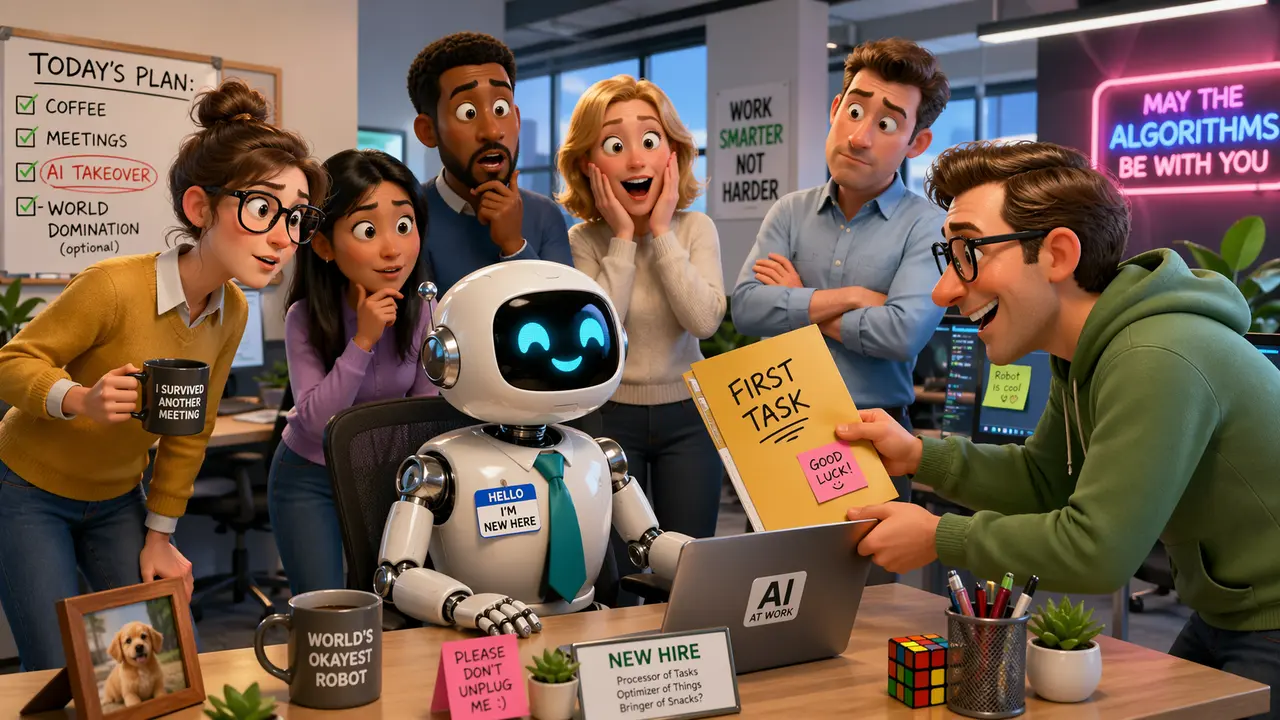
A new “team member” joins your department. Never late, never tired, does not complain about meetings, and somehow produces work in seconds. The catch? It is not human. That is exactly what working with AI in the office feels like once you stop treating it like a tool and start treating it like a digital co-worker.
The Important Stuff
Think about how you normally work with people. You give clear instructions, provide context, and expect a result. AI works the same way. Give it vague input and you get vague output. Give it structured direction and it delivers something solid. You can ask it to draft reports, summarise meetings, analyse data, or refine communication, but the quality depends on how well you brief it.
This matters because collaboration with AI changes your role from “doing everything manually” to “managing output.” Working effectively with AI means checking results, adjusting instructions, and guiding it toward better outcomes. It behaves like a very fast junior employee. Capable, but reliant on your direction to get things right.
Now It’s Your Turn
Here is an example of a prompt you can use right now in an AI chat of your choice. Copy the prompt text below and paste it into an AI chat platform such as ChatGPT, Gemini, Copilot or Claude.
You are assisting me as a digital co-worker in a corporate environment. I will give you a task, and you must complete it clearly and professionally. If anything is unclear, ask follow up questions before completing the task.

Task:

[Describe your task here]
Context:

[Provide any background information]
Output requirements:

- Keep it concise

- Use a professional tone

- Structure the response clearly
Learn How to Brief Your “New Hire”
The biggest shift is not the technology. It is how you communicate with it. Treat AI like a colleague who needs direction, not like a magic button that reads your mind. The clearer your input, the better the result.
Once you get used to that rhythm, you will notice something. Tasks that used to take hours start shrinking into minutes, and your focus moves toward decisions instead of execution.